Garden Design Diploma Prospectus 2026/2027
Everything you need to know about training as a professional garden designer - course structure, content, outcomes and how to apply.
What you will develop
Taught by industry professionals, the course is designed to build both creative and technical confidence across all aspects of garden design.
A clear, structured approach to designing outdoor spaces
Confidence in layout, materials and planting
An understanding of levels, drainage and construction
A portfolio of real design work
A practical understanding of running a garden design business
How the course works
The course is delivered online through a series of structured modules, supported by tutor guidance throughout.
You will work through a number of design projects based on real client scenarios, allowing you to develop both creative thinking and practical understanding.
Course structure
The Diploma is structured as a 45-week programme. Students committing around 25–30 hours per week can typically complete it within approximately 12 months, while those studying around work or family commitments can progress over a longer period.
The course is structured around four core areas:
- Design
- Construction
- Planting
- Business Practice
These are taught alongside a series of design projects, which form the core of the learning experience.
What to expect
A typical week will involve a combination of recorded lectures, project work and tutor-led sessions.
Students are set regular assignments and receive feedback to support their progress.
As the course develops, the focus shifts from concept design to more detailed, technical work, reflecting the progression of a real project.
The course is delivered over approximately 12 months, with a structured timetable to guide progression.
Design projects
Design work forms the core of the course.
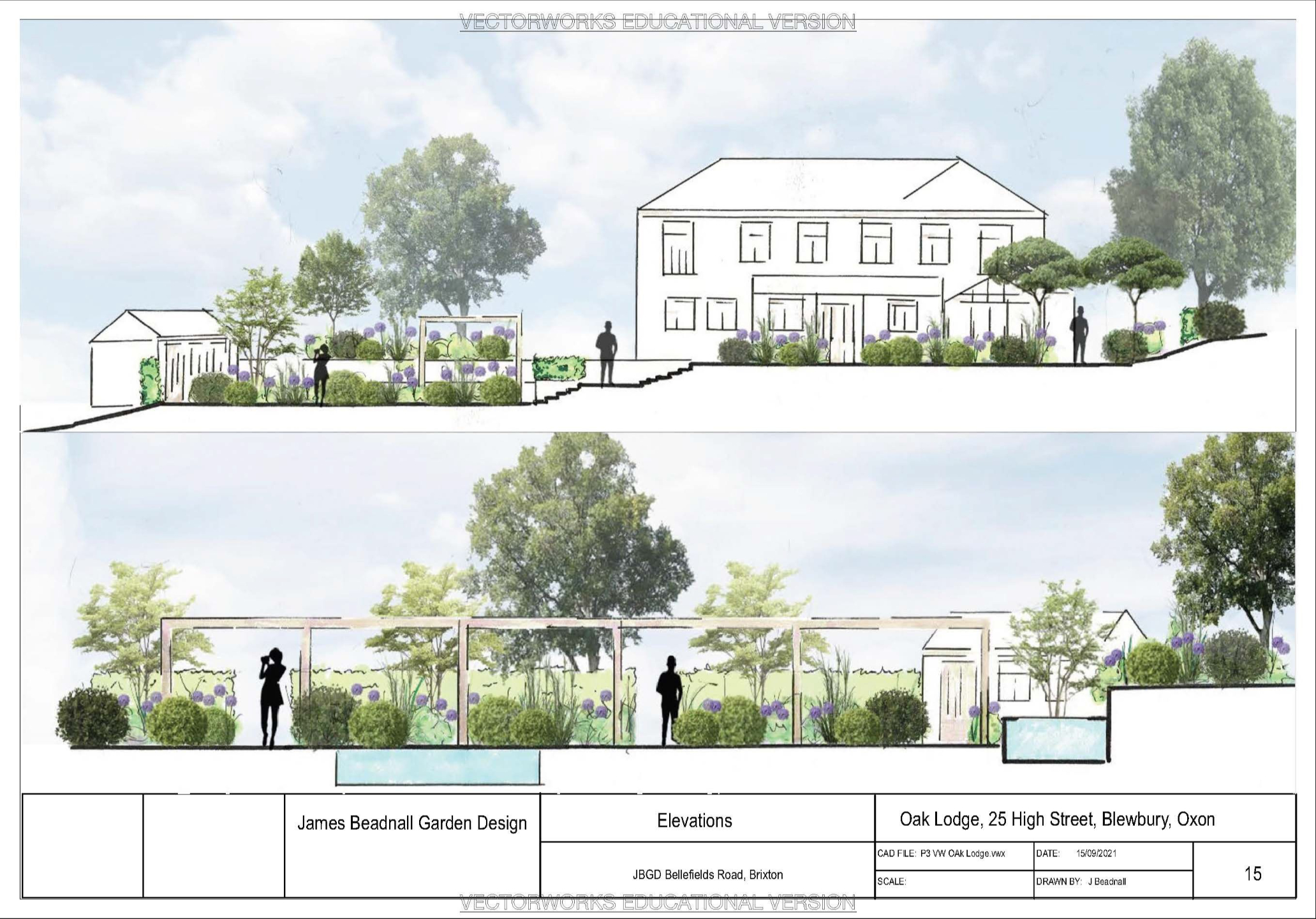
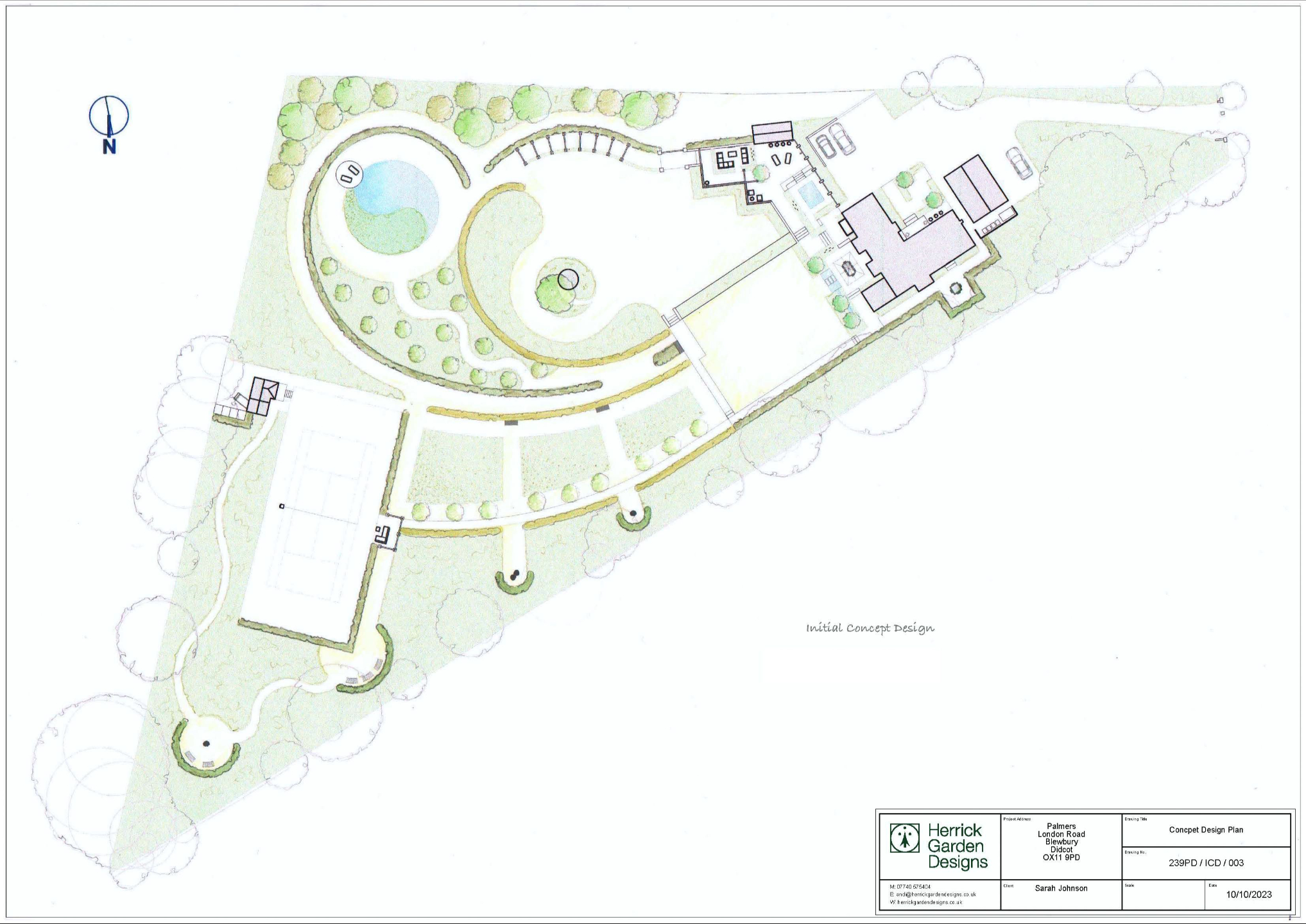
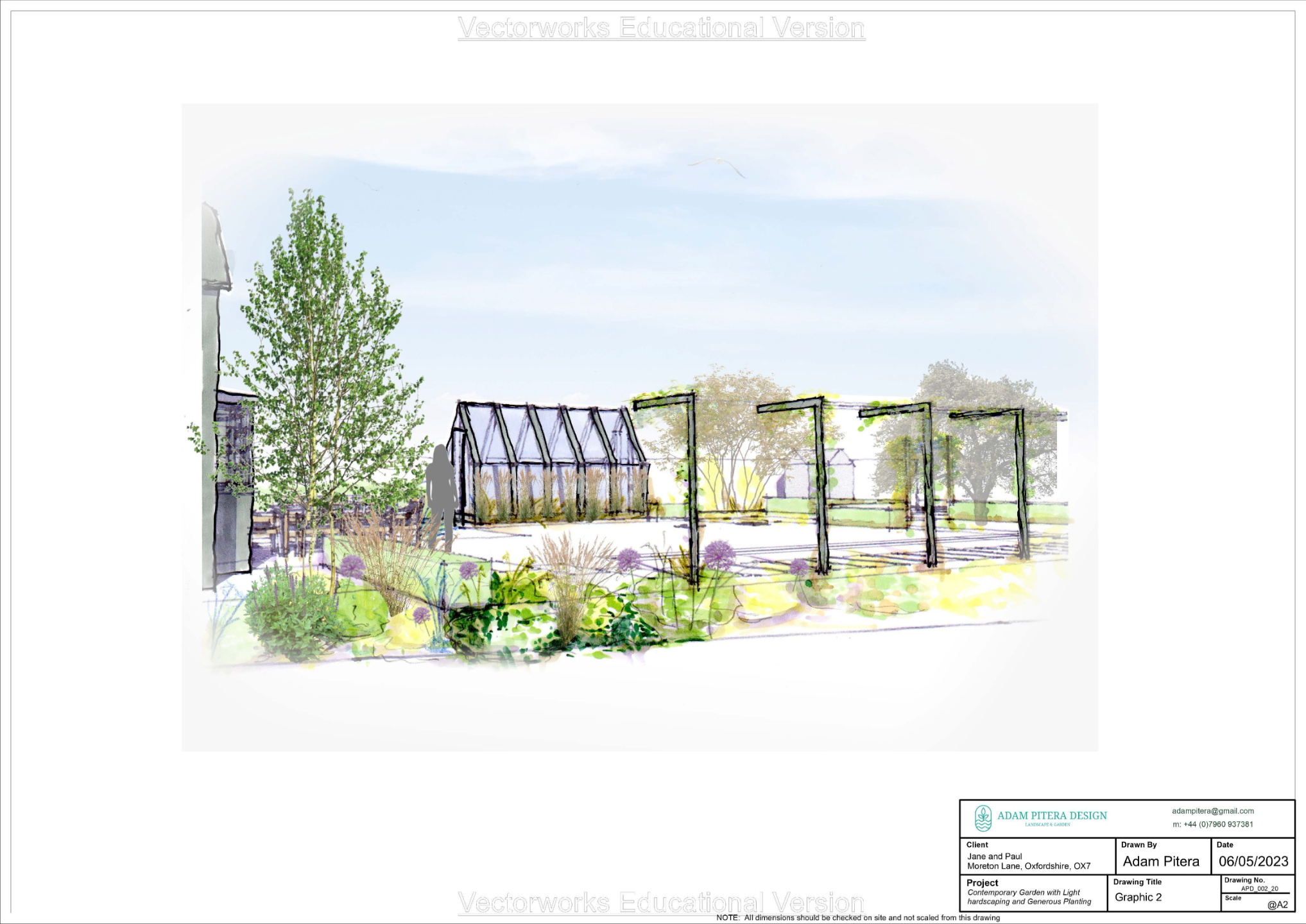
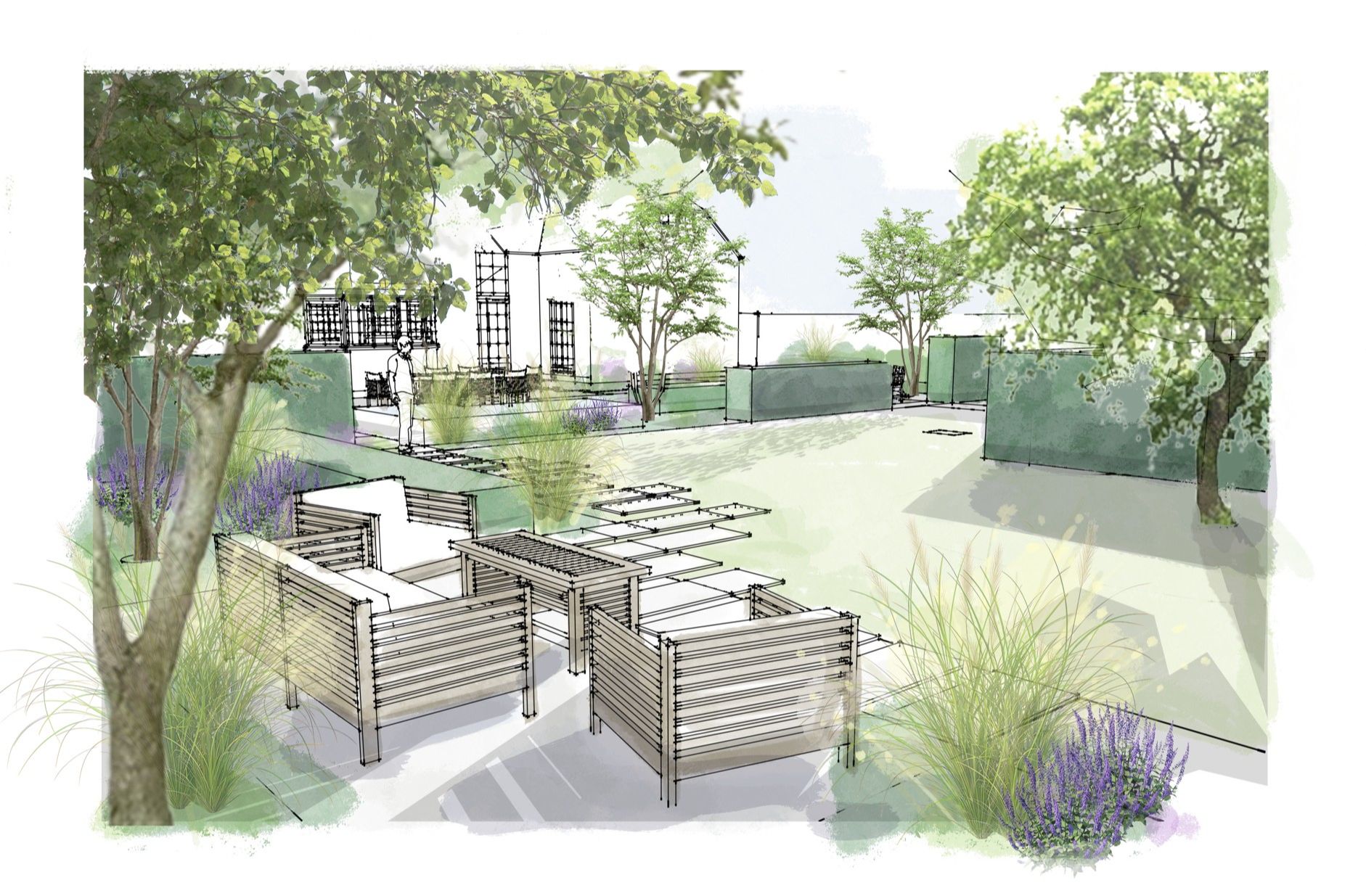
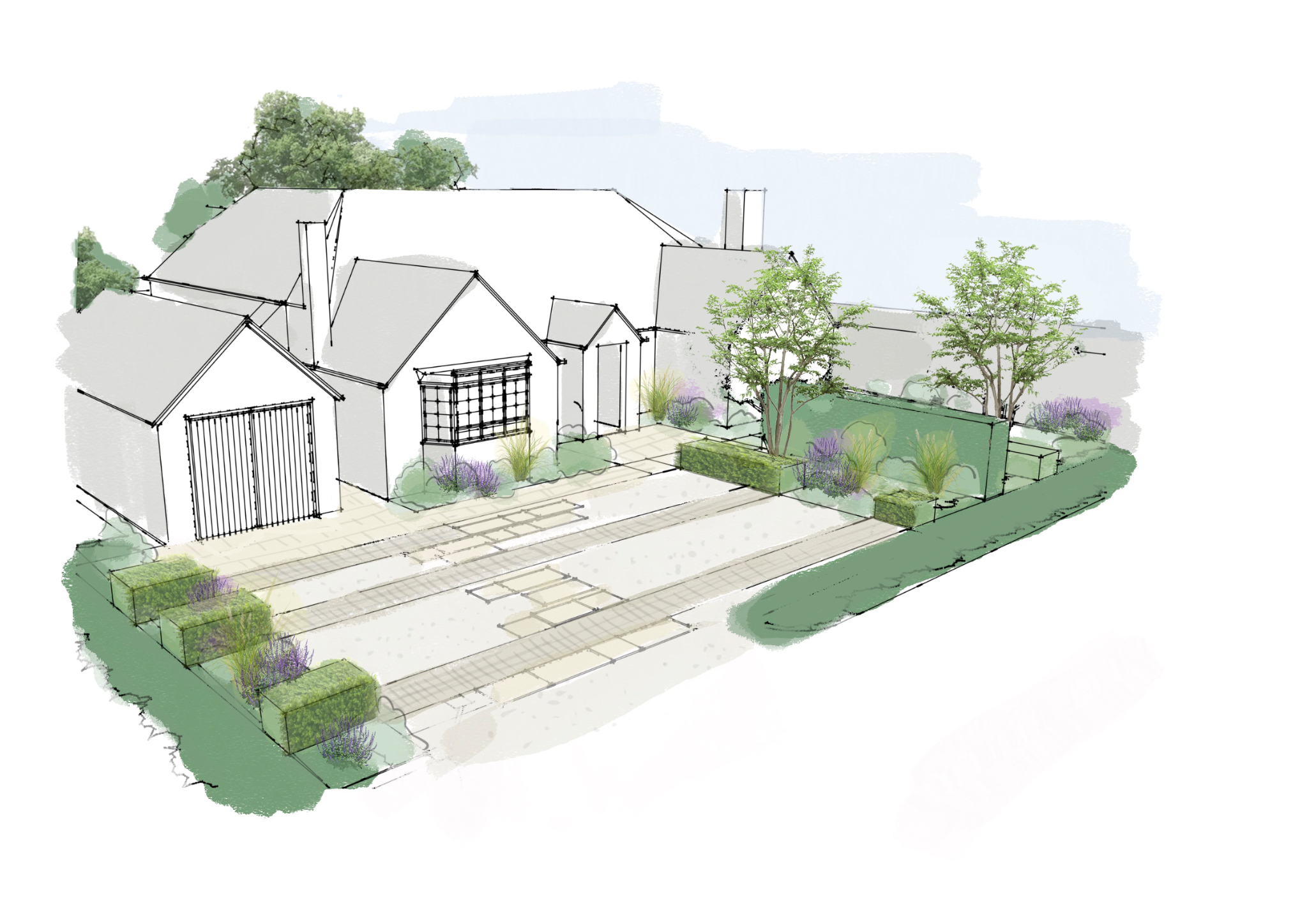
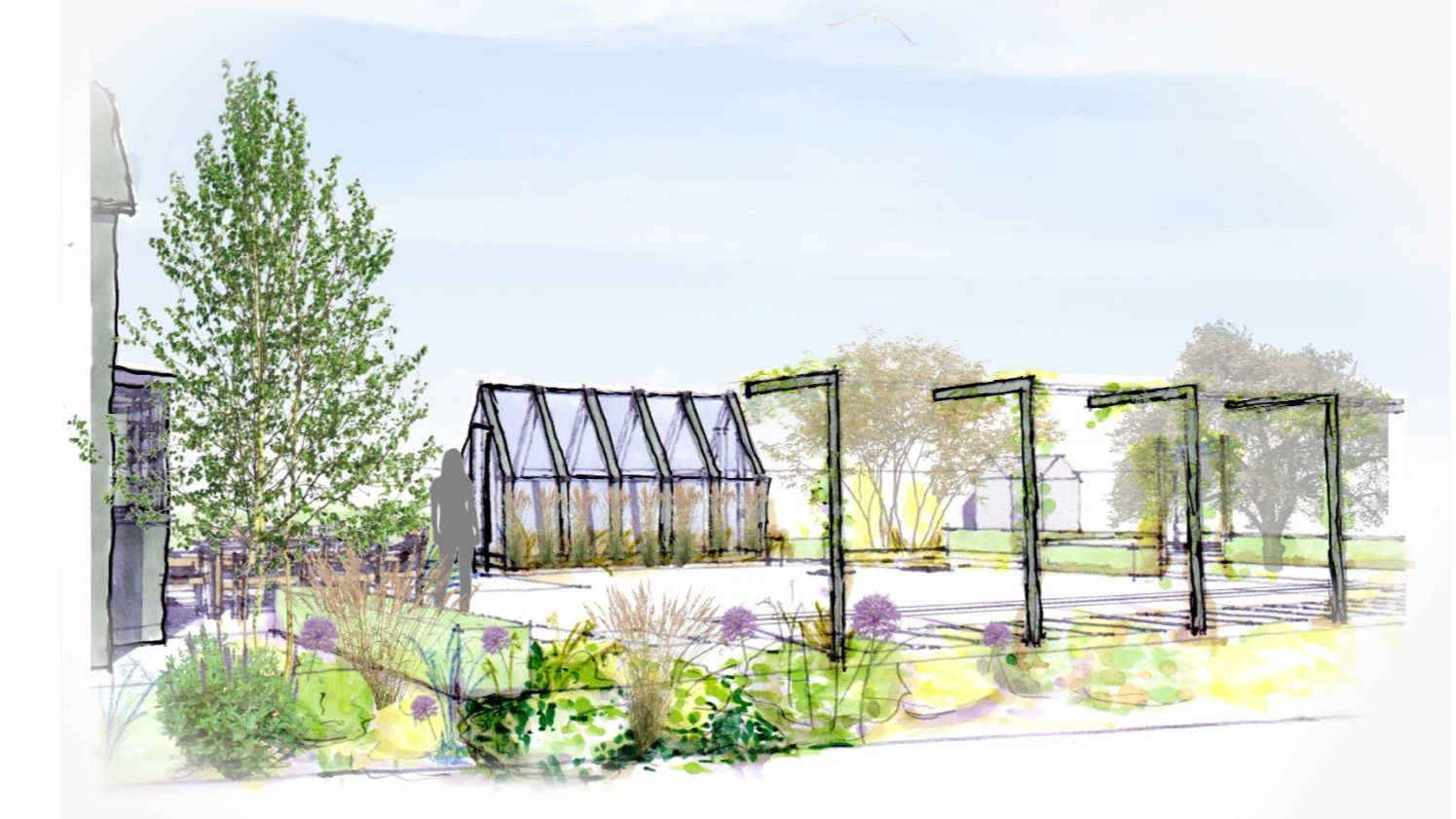
Students complete three core projects based on real sites and client briefs, developing proposals from initial concept through to detailed, buildable drawings.
As the course progresses, projects increase in scale and complexity, culminating in a comprehensive final design scheme.
-
Urban courtyard (100m²)
A compact project focused on spatial design and layout, developing a clear and resolved proposal from survey information and a client brief.
-
Large town garden (1000m²)
A more complex residential scheme introducing levels, construction detail and technical thinking, developed through a series of detailed drawings.
-
Rural garden (7000m²+)
A large-scale project bringing together design, technical and planting knowledge into a comprehensive, buildable scheme.
How you will learn
- Pre-recorded video lectures
- Live online, group tutorials
- Weekly assignments
- One-to-one tutor feedback
- Ongoing peer interaction
A practical approach to design
Garden design sits between creativity and construction.
Alongside concept development and planting, the course places a strong emphasis on layout, levels, materials and technical detail - ensuring designs can be built as well as imagined.
This focus helps develop a professional approach to design, rather than a purely conceptual one.
Projects developed by students during the course
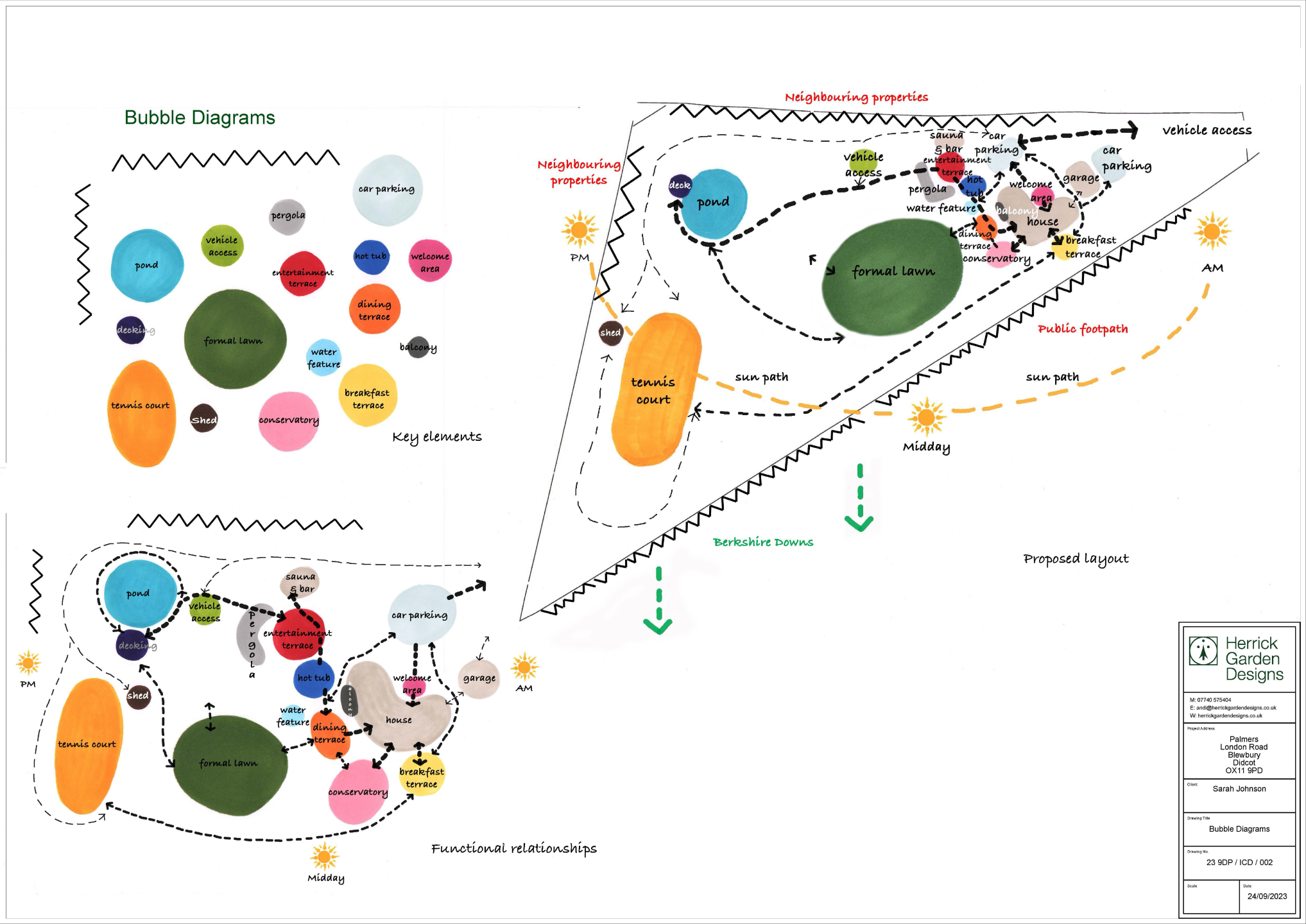
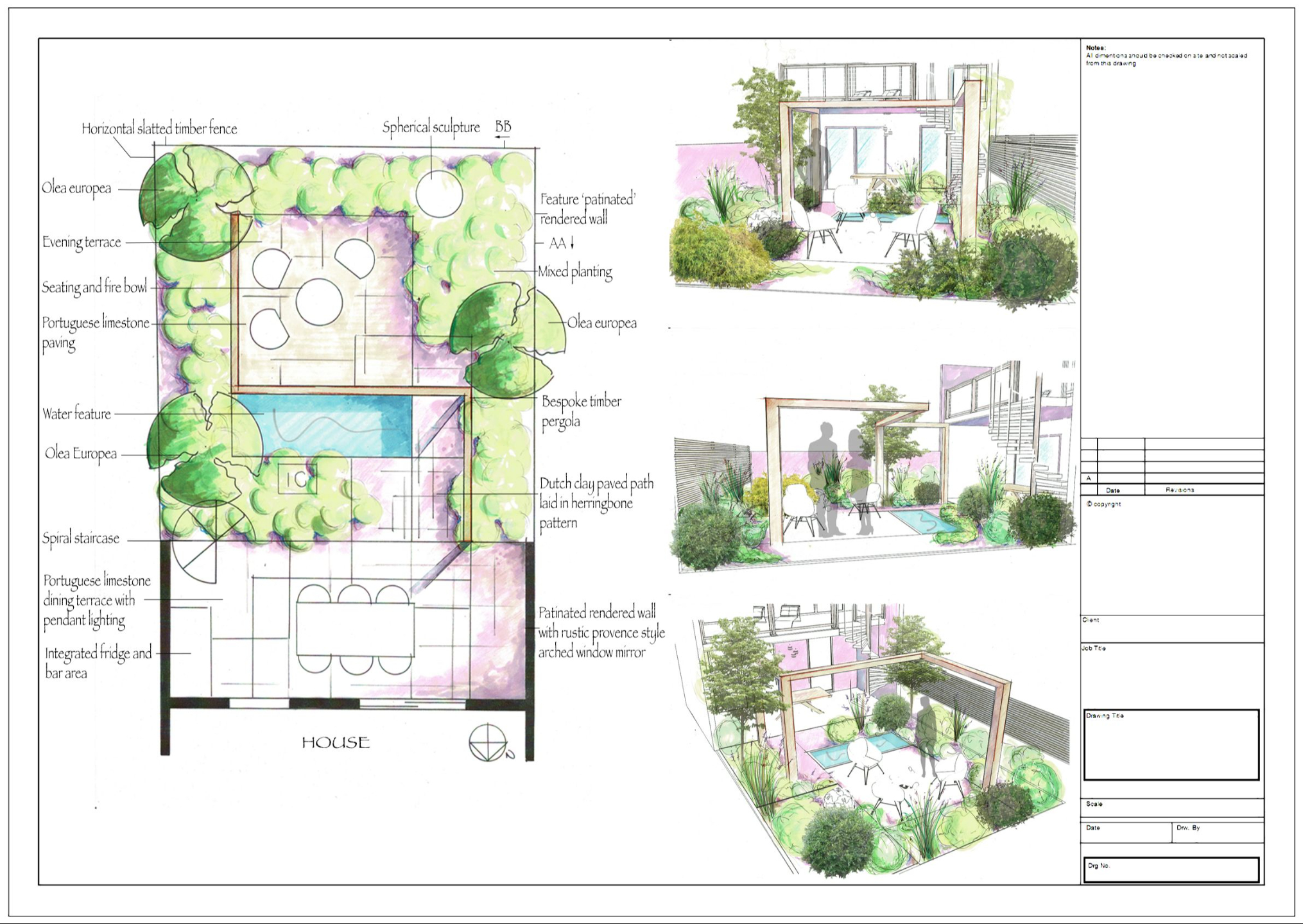
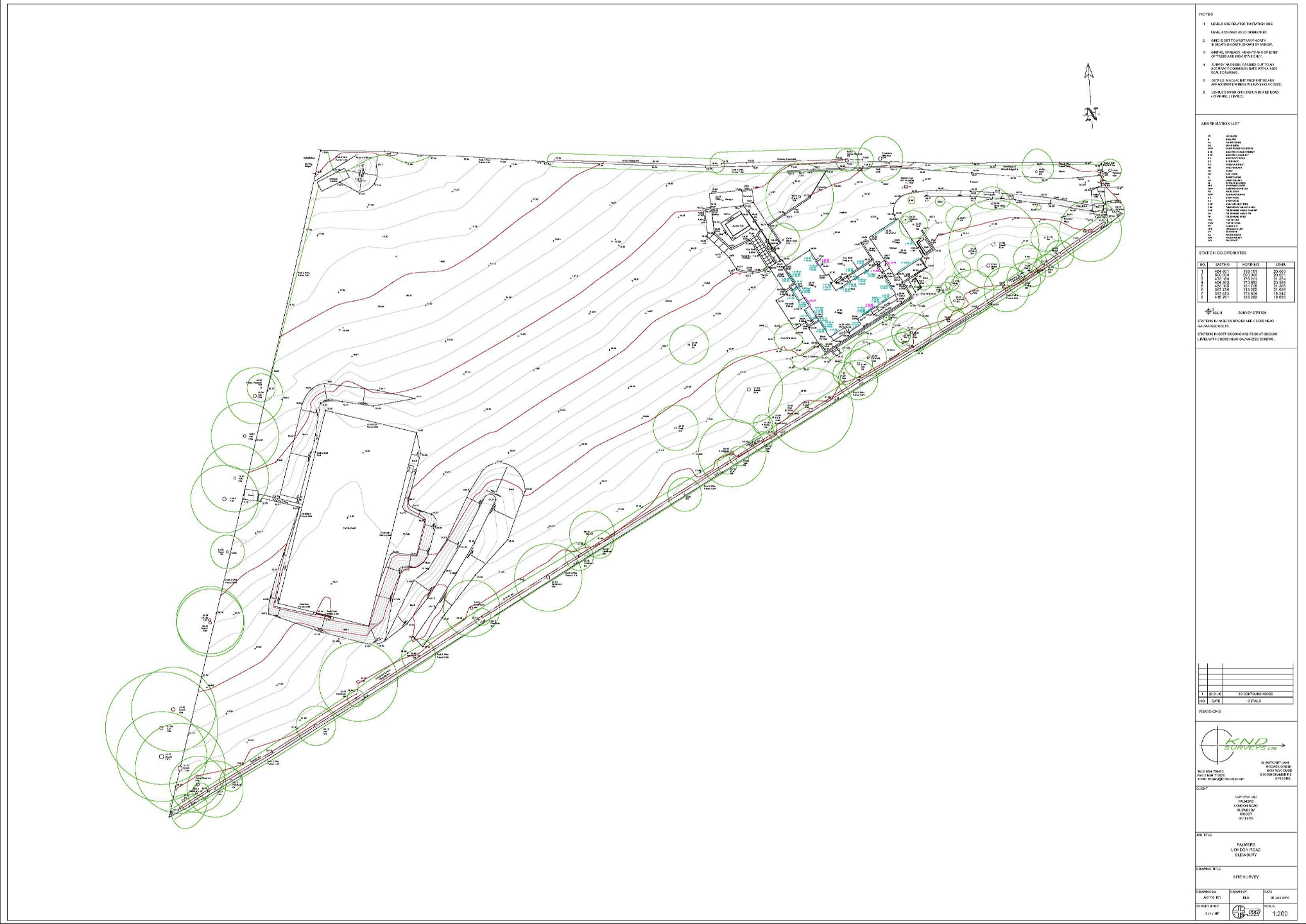
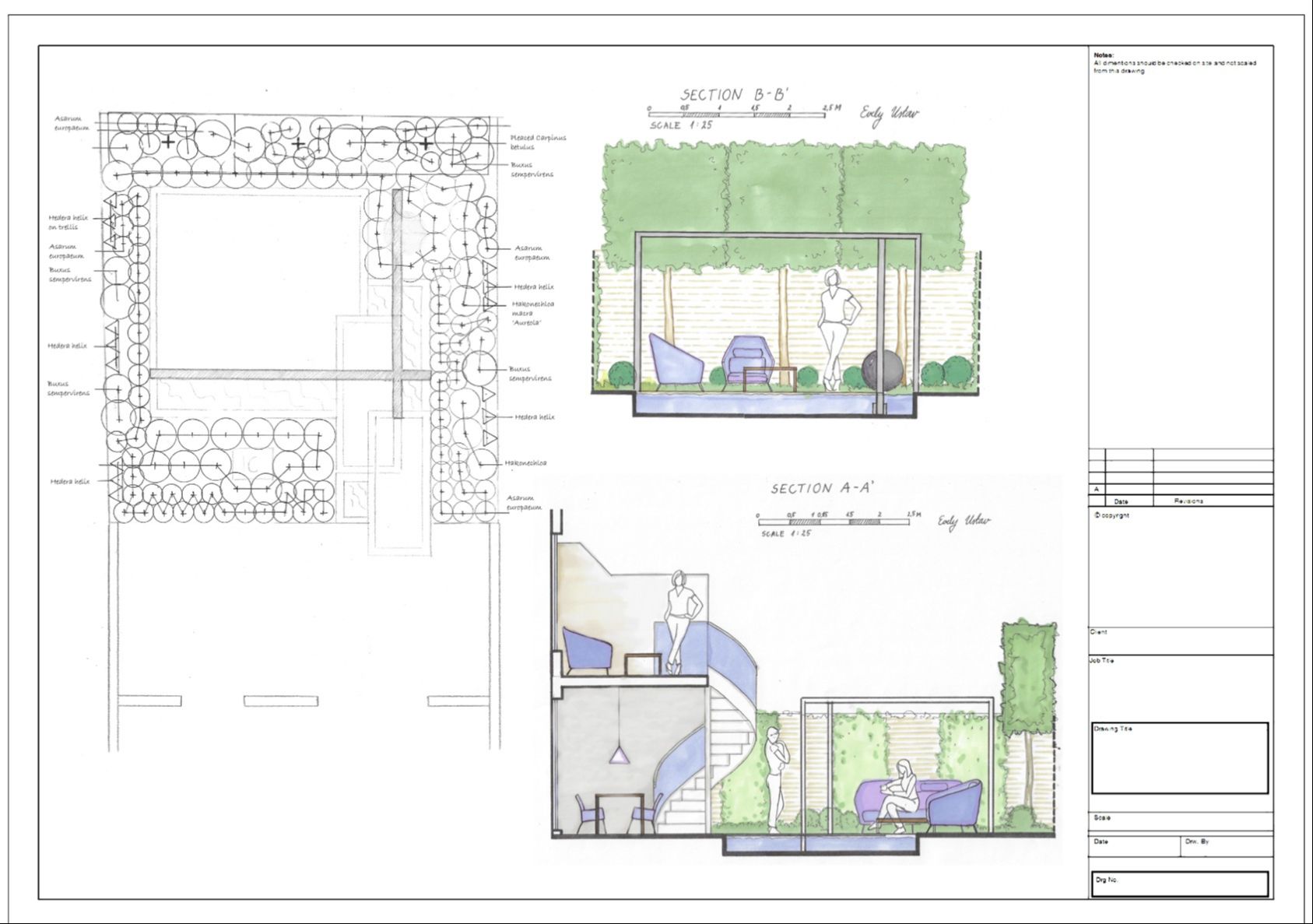
Find out more about OCGD Graduates...
Designed for those looking to take garden design seriously.
Who the course is for
- Those considering a move into garden design
- Those seeking structured, professional training
- Those looking to develop a design-led skillset
Student feedback
"The course at OCGD is the steepest, most rewarding learning curve I've experienced.
It's tough, but you come out of it confident to take on complex projects - and enjoy it."
Sarah Naybour, RHS Gold medallist
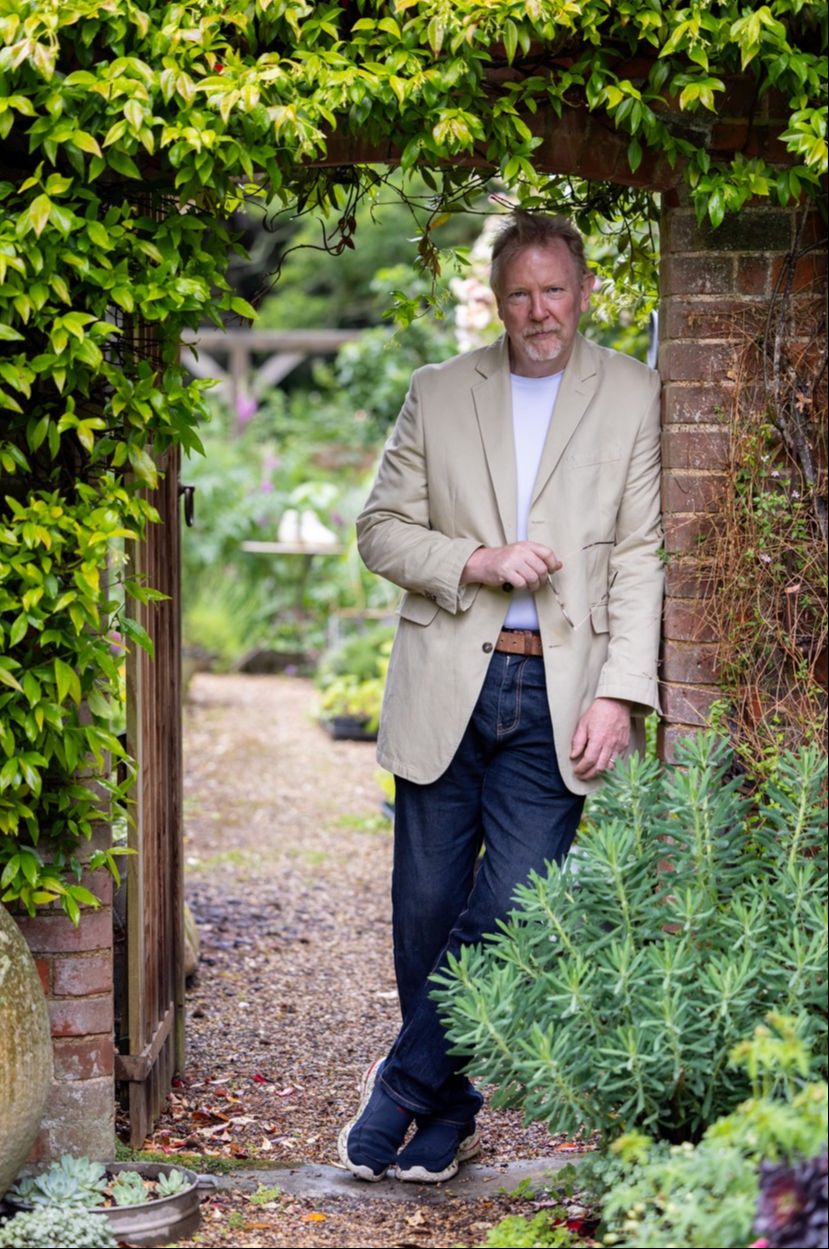
Duncan Heather
Course Director
Duncan Heather is one of Europe’s foremost garden designers, with five Gold, one Silver and one Bronze medal, alongside three Best in Show awards for his work.
He trained under the renowned landscape designer and author John Brookes, and in 1991 was offered a directorship within his practice, which he declined to focus on developing his own design studio.
Duncan founded the Oxford College of Garden Design over 30 years ago and has been teaching and mentoring students in garden design since.
He is co-author of the industry standard The Heather Specification and has been a regular lecturer for the Society of Garden and Landscape Designers.
Based in Oxfordshire, he continues to lecture and undertake projects both in the UK and internationally, ranging from small courtyard gardens to large country estates.

Hannah Smith
Principal
Hannah Smith is a practising garden designer based in Berkshire, working on residential projects across the South of the UK.
Before retraining in garden design, she spent over a decade in corporate strategy and project management, bringing a strong understanding of structure, communication and client delivery to her design work.
She now works with private clients, architects and contractors, developing design-led schemes that combine spatial clarity with practical, buildable detail.
Alongside her design practice, she is Principal at the Oxford College of Garden Design, teaching and supporting students in developing both creative thinking and a clear understanding of how projects are delivered in practice.
with lectures from,
- John Heather - Construction & Professional Practice
- Martin Kelley - Pond Construction
- Jo Chance - Graphical Presentation
- Peter Lang - Swimming Pool Construction
- Susan Dunstall - Planting & Computer Aided Design
- Tim Freeman - Tennis Court Construction
and guest lectures from,
- John Brookes CBE, Garden Designer
- Anthony Paul, Garden Designer
- Luciano Giubbilei, Garden Designer
Diploma Start Dates
25th September 2026
26th April 2027
Course Costs
£10,995 (incl. VAT)
Course Duration & Commitment
The course is structured across three 15-week semesters (45 weeks in total), with the flexibility to complete it over a longer period, if required.
Most students complete the course within 12 months, although you can spread the workload over 2–3 years depending on your availability.
Students typically commit a minimum of 15 hours per week. Those looking to complete the course within a year should expect to dedicate closer to 25–30 hours per week.
You will have access to course materials and tutor support for up to 36 months, allowing you to progress at a pace that suits you.
Next steps
If you would like to move forward or find out more about the course, you can choose one of the following:
Apply for the Diploma
Begin the application process to secure your place on the course.
Speak with us
Arrange a call or meeting at our Henley office to discuss the course in more detail.
Join our next free, live Q&A
Join a live, Q&A session where we explain the course, more about a career as a designer and answer your questions.